The PIMA M.F.A. Curriculum
visit the curriculum page on the Brooklyn College website
This curriculum takes effect in Fall 2026.
PIMA is a four-semester, full-time program. Students pursuing the M.F.A. will complete a total of 46 credits and a significant thesis production. Collaborative thesis productions are supported and encouraged.
The following courses are required:
Typically taken in the first semester
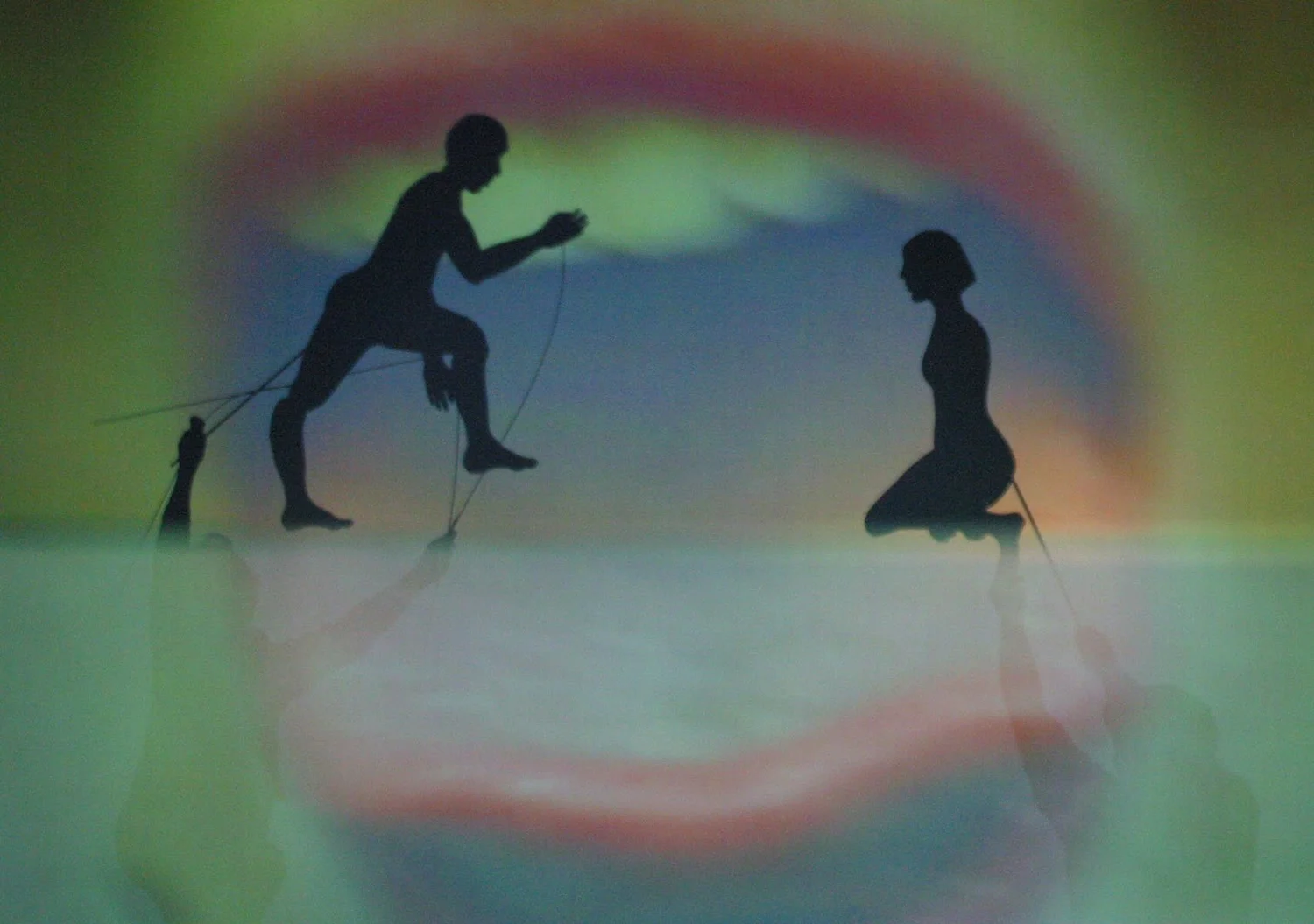
PIMA 7010G Sound, Image, Space, and Performance. A collaborative performance intensive: a series of 9 performances created collaboratively and performed in class, and a 10th with a longer rehearsal period that is performed publicly at the end of term. 5 hours, 3 credits.
SEE WORK FROM THIS COURSEPIMA 7210G History, Theory, and Criticism of collaborative, experimental, and activist performance practices. 3 hours, 3 credits.
PIMA 7321G Experimental Ensemble I. Collaborative devising using the Viewpoints method, performance at end-of-term. 3 hours, 2 credits.
PIMA 7741G Dynamic and Interactive Media in Performance I. Introduction to interactive media programming: the basics of dynamic digital media, and an intensive introduction to the Max/MSP language (cycling74.com). No experience required. Performance at end-of-term. 5 hours, 3 credits.
Read more about PIMA’s approach to technology and Max/MSP here
PIMA 7110G Independent Projects. One of the three credits of the required Independent Projects (see below) is often taken in the first and second semester to ensure a 12-credit courseload, required for some loans and financial aid. If a loan or financial aid requires 15 credits, an elective must also be taken.
Typically taken in the second semester
PIMA 7020G Artistic Process and Contemporary Community. Public art, social practice & community collaboration: students build relationships with community groups, co-author performance works with them, and present the works in community venues. 5 hours, 3 credits.
PIMA 7322G Experimental Ensemble II. Collaborative devising incorporating mobile networked technologies. 3 hours, 2 credits.
PIMA 7742G Dynamic and Interactive Media in Performance II. Interactive media programming II: intensive study of the Max/MSP language. Four performances during the semester. 5 hours, 3 credits.
PIMA 7110G Independent Projects. One of the three credits of the required Independent Projects (see below) is often taken in the first and second semester to ensure a 12-credit courseload, required for some loans and financial aid. If a loan or financial aid requires 15 credits, an elective must also be taken.
Taken in the third semester
PIMA 7030G Collaborative Interactive Media Performance. Topics and modality vary per year and instructor. 3 hours, 3 credits.
PIMA 7230G Thesis Seminar I. Pre-production of the M.F.A. thesis project: group formation, script and/or score development, research, design, technical development, documentation planning, and venue research. 3 hours, 3 credits.
PIMA 7743G Dynamic and Interactive Media in Performance III (new). Sound, video, networking and 3D graphics for interactive performance, with four performances and a culminating project. Supports the technical development of thesis projects. 5 hours, 3 credits.
Taken in the final semester
PIMA 7240G Thesis Seminar II. Production of the M.F.A. thesis project: planning, rehearsals, design and technical realization, documentation, publicity, venue relationships, and community outreach. 6 hours, 3 credits.
PIMA 7744G Dynamic and Interactive Media in Performance IV (new). Advanced sound, video and 3D graphics for interactive performance, ending in a culminating project: either an independent project or the technological part of a PIMA thesis. 5 hours, 3 credits.
PIMA 7220G Teaching Practicum. An introduction to university syllabus development; each student teaches one 3-hour class open to the public. 3 hours, 3 credits.
+ Three additional credits of Independent Projects (taken under course numbers PIMA 7110G, PIMA 7120G, or PIMA 7130G)
+ A minimum of six additional credits chosen from selected PIMA elective courses offered by: the PIMA program; the departments of Art, Computer and Information Science, Theater; the Feirstein Graduate School of Cinema, Television, Radio and Emerging Media; and the Conservatory of Music. Permission of the PIMA director is required.
To receive the Master of Fine Arts in Performance and Interactive Media Arts, students will be required to complete the program with a grade point average of 3.00 or better.
The PIMA Advanced Certificate
A two- or three-semester, part-time, non-degree program for artists who want PIMA’s training without the full-time commitment of the M.F.A. It is mainly intended for students who already hold the highest degree in an art-related field, but all applicants with a graduate or undergraduate degree are welcome.
Eighteen credits are required:
PIMA 7010G Sound, Image, Space, and Performance (first semester). 3 credits.
PIMA 7741G Dynamic and Interactive Media in Performance I (first semester). 3 credits.
PIMA 7020G Artistic Process and Contemporary Community (second semester). 3 credits.
Six credits of PIMA electives.
Three credits of electives within or outside PIMA, from the departments of Art, Computer and Information Science, Television, Radio and Emerging Media, Theater, or the Conservatory of Music.
Students must finish with a grade point average of 3.00 or better, with no more than one course (three credits) graded below B. Permission of the PIMA director is required for electives.